
Introduction to Photon Light Therapy
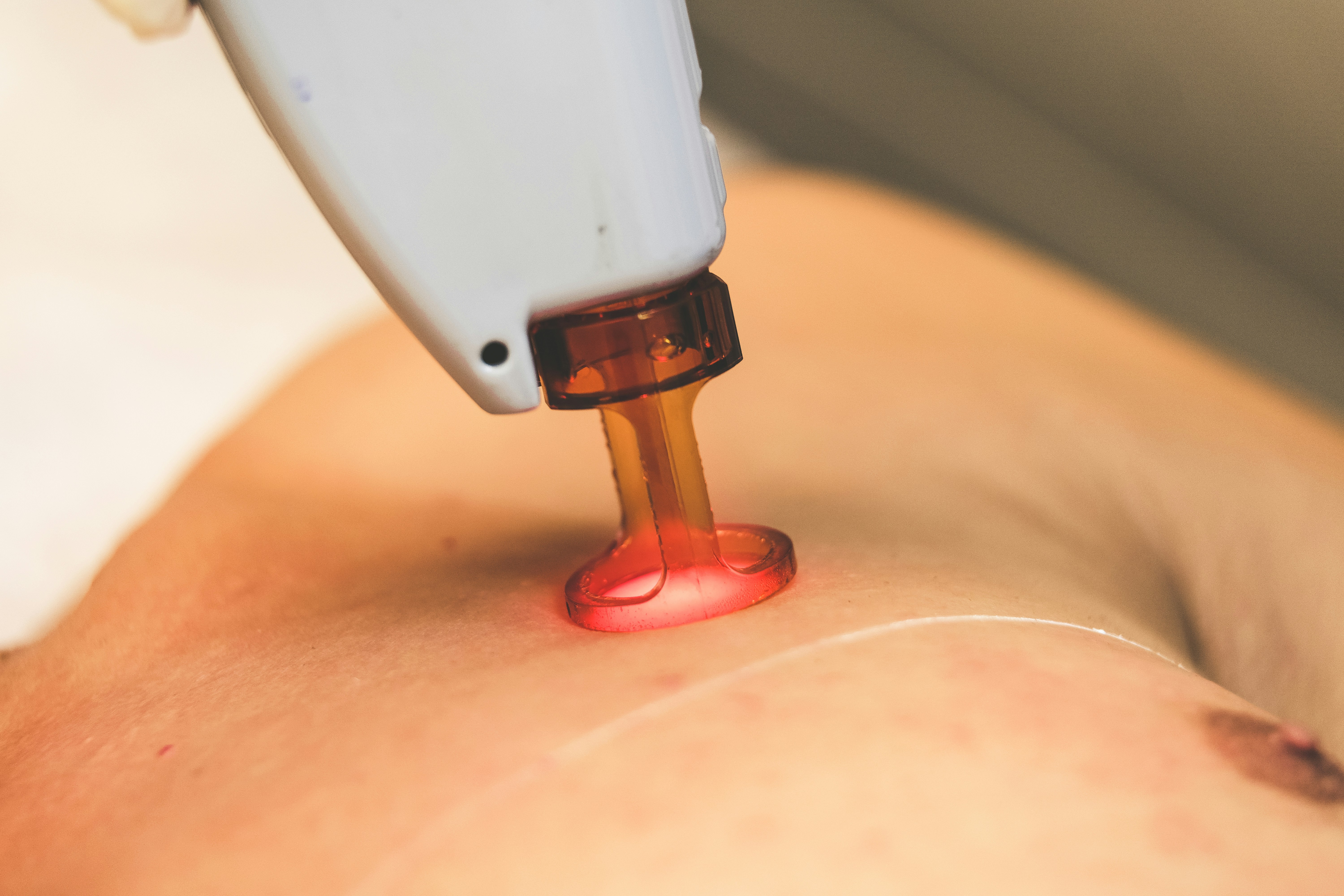
Photon light therapy, often referred to as light therapy or LED therapy, is an innovative treatment method that harnesses the power of specific wavelengths of light to address a variety of skin conditions. This non-invasive technique has garnered attention in the field of dermatology and aesthetics due to its effectiveness in promoting skin health, rejuvenation, and healing. By employing different colors of light, practitioners can target specific skin issues, resulting in improved overall complexion and vitality.
The roots of light therapy can be traced back to ancient civilizations, where natural sunlight was utilized for its healing properties. Over the years, the understanding of how light affects the skin has evolved, leading to the development of more advanced technologies. The first major strides in light therapy occurred in the 20th century, particularly during the 1960s when scientists began to explore the biological effects of laser light. This research paved the way for the modern-day application of LED technology in skincare.
In its current form, photon light therapy has transformed the landscape of skincare by offering a versatile solution for various skin concerns, including acne, scars, wrinkles, and pigmentation disorders. The use of different colored LEDs—most notably the 5-color and 7-color masks—allows for a customized approach tailored to individual skin types and conditions. Each color corresponds to a different wavelength, penetrating the skin at varying depths to stimulate cellular processes effectively. For example, red light is known for its anti-aging properties, while blue light targets acne-causing bacteria.
As cosmetic procedures become increasingly popular, photon light therapy serves as a safe alternative or complement to more invasive treatments. Its adaptability and minimal side effects make it an appealing choice for those seeking to enhance their skin’s appearance and health through scientifically backed methods.
Understanding LED Mask Technology
LED masks have emerged as a significant innovation in skincare, utilizing light-emitting diodes (LEDs) to treat various skin concerns. The technology behind these masks relies on the principle of phototherapy, where specific wavelengths of light are applied to the skin, triggering biological processes that promote healing and rejuvenation. The most common types of LEDs used in these masks include red, blue, green, yellow, and purple lights, each with distinct benefits, making them suitable for various skin types and conditions.
Red light therapy, for instance, penetrates deep into the skin layers, stimulating collagen production and improving skin elasticity. This makes red LEDs particularly effective for reducing fine lines and wrinkles. In contrast, blue light is known for its antibacterial properties, making it ideal for acne-prone skin as it helps target and eliminate acne-causing bacteria. Green light therapy is utilized for pigmentation issues, assisting in the reduction of dark spots and promoting an even skin tone.
Considering the versatility of these treatments, 5-color LED masks focus on a specific range of light wavelengths, offering targeted solutions for common skin issues. On the other hand, 7-color LED masks provide a broader spectrum of light options, allowing for a more comprehensive treatment approach. The additional colors in 7-color masks, such as cyan and orange, extend the functionalities, addressing a wider array of concerns, from reducing redness to improving overall skin texture.
The science behind how these different colors affect the skin lies in their varying wavelengths, which can penetrate the skin at different levels. This targeted approach means that users can benefit from customizable treatments tailored to their individual skin needs. By understanding the technology and science behind LED masks, consumers can make more informed decisions about their skincare routines, harnessing the full potential of photon light therapy.
Benefits of 5-Color LED Masks
The use of 5-color LED masks in skincare has gained significant attention in recent years due to their versatility and efficacy in addressing a range of skin concerns. These masks utilize red, blue, green, yellow, and white lights, each providing distinct benefits to enhance skin health and appearance.
Starting with red light, it is renowned for its anti-aging properties. This color penetrates deep into the skin, promoting collagen production, which helps diminish fine lines and wrinkles. Additionally, red light therapy improves circulation, resulting in a more vibrant and youthful complexion. It is particularly effective for those experiencing signs of aging and wanting to improve overall skin texture and firmness.
Next, blue light therapy is highly recognized for its acne-fighting abilities. It targets the bacteria responsible for acne, effectively reducing breakouts and preventing future occurrences. By minimizing inflammation and promoting clearer skin, blue light is an excellent choice for individuals struggling with acne-prone skin.
Green light, on the other hand, addresses issues related to pigmentation and discoloration. It helps to even out skin tone and reduce the appearance of dark spots, making it an ideal option for those dealing with hyperpigmentation. By targeting melanin production, green light therapy supports a more radiant and balanced complexion.
Yellow light enhances circulation and lymphatic flow, which can contribute to improved skin elasticity and radiance. It is particularly beneficial for sensitive skin types, providing a soothing effect that reduces redness and irritation.
Lastly, white light encompasses a blend of all colors, providing comprehensive benefits to the skin. It aids in rejuvenating skin cells, enhancing overall texture and facilitating healing processes. This multifaceted approach allows for a holistic treatment experience, making 5-color LED masks an effective option for those seeking targeted skincare solutions.
Exploring 7-Color LED Masks
7-color LED masks represent a significant advancement in photon light therapy, offering a diverse range of wavelengths that enhance treatment efficacy. The inclusion of additional colors, such as purple and cyan, expands the therapeutic options available for skin care. Each of these colors corresponds to specific wavelengths that target different skin concerns, allowing for a more customized and versatile approach to skin treatment.
Pioneering the use of light therapy, these masks utilize blue light to combat acne and reduce inflammation by targeting the bacteria responsible for breakouts. The soothing green light effectively balances skin tone while promoting healing and reducing pigmentation issues. Meanwhile, the red light focuses on stimulating collagen production, helping to diminish fine lines and enhance overall skin texture. With the addition of purple light, which merges the benefits of red and blue, users can address both acne and anti-aging concerns simultaneously.
The cyan light offers unique advantages as well, primarily focusing on calming irritated skin, making it an essential option for those dealing with sensitive skin conditions. This color is particularly beneficial for users struggling with rosacea or post-inflammatory erythema. By incorporating purple and cyan along with the standard colors, 7-color LED masks provide a well-rounded treatment strategy that caters to various dermatological needs.
Moreover, the versatility of 7-color LED masks enables users to switch between colors depending on their immediate skin concerns, enhancing the overall skin care routine. This adaptability ensures that individuals can address issues such as acne, aging, and sensitivity within one comprehensive therapy session. Therefore, 7-color LED masks are not merely an aesthetic indulgence but a powerful tool in modern skin care, promoting holistic skin health through the innovative application of light therapy.
Comparative Analysis: 5-Color vs. 7-Color Masks
Photon light therapy has gained significant traction in the realm of skincare, particularly through the use of LED masks that utilize varying colors of light to address specific skin concerns. Among the most popular options are 5-color and 7-color LED masks, both of which promise therapeutic benefits but differ in their capabilities and applications. This comparative analysis seeks to clarify the unique attributes of each type to help potential users make informed decisions according to their individual requirements.
The 5-color LED mask typically includes blue, red, green, yellow, and purple lights. Each color targets specific skin issues, such as reducing inflammation (blue), promoting collagen synthesis (red), and calming pigmentation (green). This mask tends to provide a straightforward approach for those focused on essential skincare needs without overwhelming intricacies. Its simplicity makes it an excellent option for beginners or individuals with less complex skin conditions, who may benefit from a more focused treatment.
<pconversely, 5-color=”” 7-color=”” a=”” acne=”” adding=”” addition=”” additional=”” address=”” advanced=”” aging=”” all=”” allows=”” and=”” broader=”” can=”” colors=”” complexity=”” comprehensive=”” concerns,=”” conditions.
When it comes to cost implications, the 7-color masks generally command a higher price due to their technological sophistication and enhanced versatility. Buyers should consider their specific skincare needs and budget before making a decision. Whether choosing the 5-color or 7-color LED mask, understanding the individual benefits and operability of each will facilitate an informed selection that aligns with personal skincare goals.
Who Can Benefit from Photon Light Therapy?
Photon light therapy has gained prominence as an effective skin treatment for various demographics, addressing a range of skin conditions. Generally, individuals looking to improve their skin health, rejuvenate their complexion, or manage specific skin issues may find photon light therapy beneficial. This non-invasive procedure utilizes different wavelengths of light to target skin-related concerns, making it suitable for both men and women of nearly all ages.
Among the skin conditions that may benefit from photon light therapy are acne, rosacea, fine lines, wrinkles, and pigmentation irregularities. For instance, blue light therapy is particularly effective against acne due to its ability to target and eliminate acne-causing bacteria. Conversely, red and near-infrared light therapies are known for their anti-aging properties, as they stimulate collagen production and improve overall skin elasticity. Individuals suffering from conditions such as eczema or psoriasis may also find relief, as the therapy can promote healing and reduce inflammation.
However, it is essential to note that photon light therapy is not suitable for everyone. People with certain medical conditions, such as severe skin disorders, photosensitivity, or those taking medications that increase sensitivity to light, should consult a healthcare professional prior to undergoing treatment. Additionally, pregnant women and individuals with specific eye conditions may also require professional guidance. Before starting any photon light therapy regimen, it is advisable to discuss potential contraindications and evaluate the suitability of the therapy based on personal health history and skin type.
How to Use LED Masks Effectively
To maximize the benefits of photon light therapy through LED masks, certain practices should be followed regarding the duration of use, frequency, and overall treatment care. Proper usage is essential to experience the full range of revitalizing effects these masks offer.
For optimal results, it is typically recommended to start with a session duration of 10 to 20 minutes per use. This timeframe allows the light to penetrate the skin effectively, stimulating cellular processes without causing irritation. Adjusting this duration may be necessary depending on skin sensitivity; however, prolonged exposure beyond the suggested limits can lead to adverse effects, diminishing the treatment’s overall efficacy.
The frequency of use also plays a crucial role in achieving desired outcomes. Beginners may benefit from using the LED mask 2 to 3 times a week. As the skin responds and adapts to the treatment, users can gradually increase the frequency to daily sessions if tolerated well. Users should monitor their skin’s response closely and adjust accordingly to prevent overuse.
Pre- and post-treatment care is essential for making the most of LED therapy. Prior to using the mask, cleanse the skin thoroughly to remove any makeup, dirt, or oils that may hinder light absorption. Applying a serum designed to complement LED therapy can enhance results when used consistently. After treatment, it is advised to follow up with a soothing moisturizer to lock in hydration and assist in skin recovery.
In summary, achieving the best results from LED masks entails adhering to recommended durations, regularity in usage, and comprehensive pre- and post-treatment care. Developing a personalized routine based on individual skin types and conditions will further enhance the effects of photon light therapy.
Real User Experiences and Testimonials
The rise in popularity of 5-color and 7-color LED masks has led to a wealth of anecdotal evidence demonstrating their efficacy in promoting skin health. Users across various demographics have reported significant improvements in skin tone, texture, and overall appearance after consistent usage of these innovative devices. Many testimonials highlight the transformative effects of photon light therapy, a non-invasive treatment option that harnesses the power of LED light to target specific skin concerns.
One satisfied user, a 32-year-old woman, shared her experience with a 7-color LED mask that she began incorporating into her skincare routine. Within weeks, she noticed a visible reduction in acne and hyperpigmentation. She noted, “The different colored lights helped me tackle my specific skin issues. The blue light effectively reduced my breakouts, while the red light improved my skin elasticity. It felt like I had a personalized treatment plan at home.”
Another individual, a 45-year-old man, emphasized the rejuvenating effects of a 5-color mask. He stated, “I struggled with fine lines and uneven skin tone, but after using the mask regularly, I received compliments about my fresh appearance. The green light worked wonders on my dark spots. I now feel more confident going without heavy makeup.” Such testimonials suggest that photon light therapy may be instrumental in enhancing users’ self-esteem and overall happiness with their skin.
Moreover, these LED masks are praised not only for their practicality but also for ease of use. A frequent user highlighted, “I can use it while watching TV or relaxing. It fits seamlessly into my daily routine.” This convenience contributes to the adherence and consistent results reported by many users. Together, these real-life experiences lend credibility to the benefits of using 5-color and 7-color LED masks.
Conclusion: Finding the Right Photon Light Therapy for You
As we have explored, photon light therapy, particularly through the use of 5-color and 7-color LED masks, presents a myriad of skin benefits. The technology harnesses the power of specific wavelengths of light to promote healing, rejuvenate the skin, and address various skin concerns ranging from acne to signs of aging. Various colors may target distinct skin conditions, allowing users to tailor their treatment according to their unique needs.
Choosing the right LED mask is essential and should be based on individual skin requirements. For instance, red light therapy is known for its anti-aging properties, while blue light is effective in combating acne. Users may want to take into consideration their specific skin types, conditions, and personal preferences when selecting an appropriate device. It is advisable to conduct thorough research on the different options available, the ingredients involved, and the manufacturers behind the products.
Moreover, seeking professional advice can provide personalized insights and recommendations. Dermatologists or licensed skincare professionals can help assess your skin and suggest the most effective therapies. They might also provide details about additional treatments that can complement photon light therapy, enhancing overall results. This step is crucial, especially if you have underlying skin issues or sensitivities.
Ultimately, investing in photon light therapy through LED masks can be a valuable addition to one’s skincare routine, but it is important to consider the factors mentioned above. By making informed choices, individuals can maximize the benefits of photon light therapy and achieve healthier, more radiant skin.
 DE
DE  EN
EN  AR
AR  FR
FR  JA
JA  KO
KO  PL
PL  ES
ES  HE
HE  TR
TR  PT
PT  RU
RU
Kommentar hinzufügen